
Land Clearing and Brush Removal
Thickets, wild fence rows and wooded lots cleared in Mishawaka, with the property line and buried lines settled before a machine rolls in.
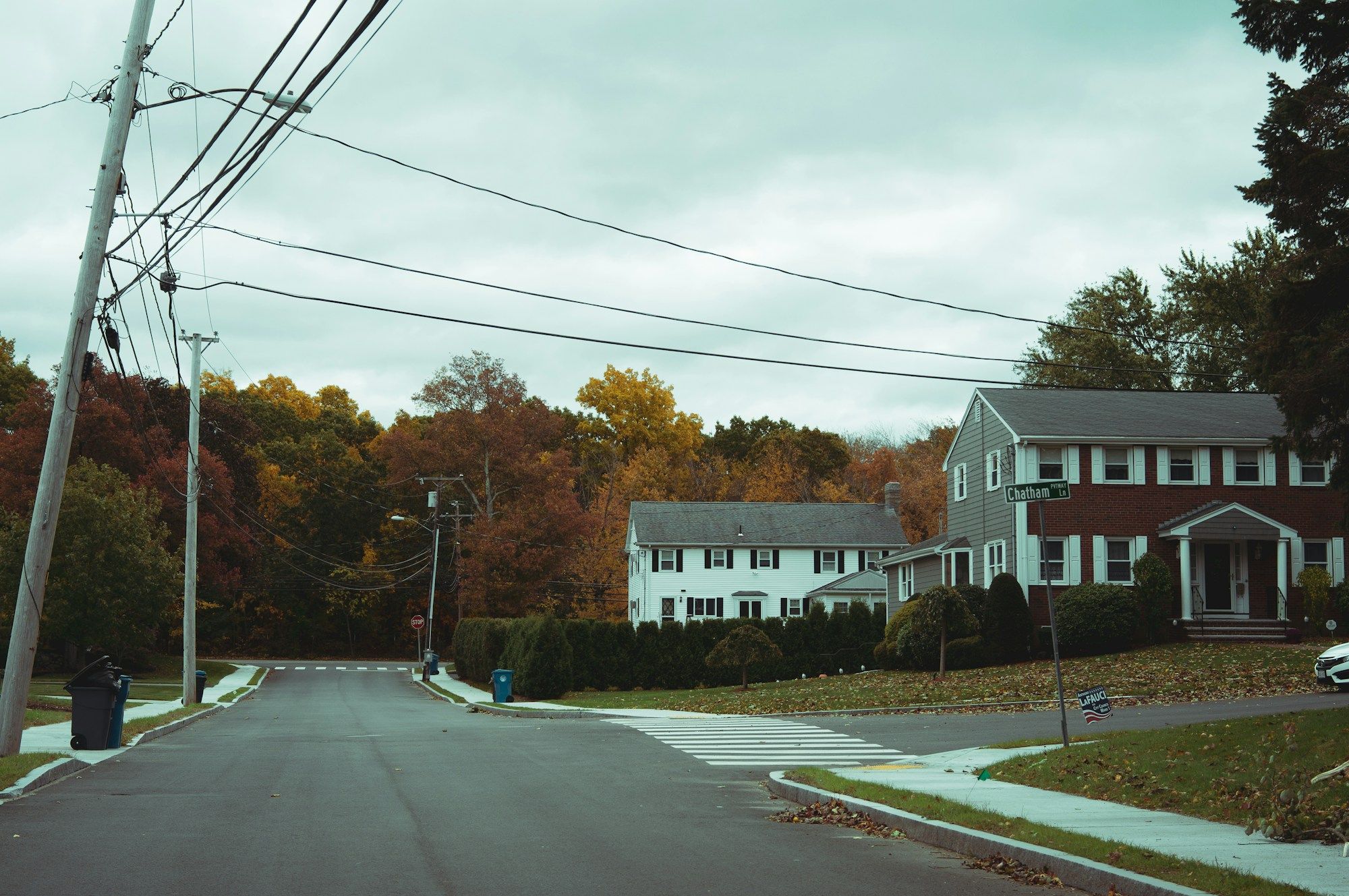
Mishawaka Local Tree Service offers tree service in Osceola, IN, from stump grinding to tree trimming and tree removal in Osceola, on the river lots and the streets south of it.
Request a quote
Give us your street and what worries you about the tree. We will call you back.
Osceola is only an 11-minute drive from Mishawaka, which means that a crew can arrive pretty quickly after a storm, especially if there was damage to any property, like a roof or a carport or vehicle. Even if it's a small job, a crew can come out for an hour or two because of this short drive.
98.8% of the homes here are single-family detached homes, which means each is on its own lot. There is typically plenty of room to bring in equipment for tree service, which can save the cost of any crane work that would be needed in tight spots.
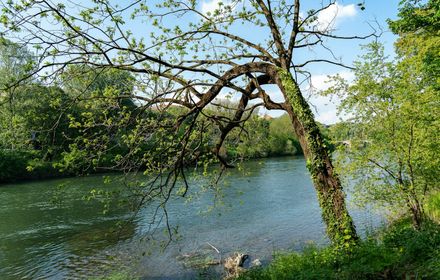
Erosion of the riverbanks can loosen the roots of the trees that are near the riverbank. Trees on the river bank that are removed should have the stumps left in place to help hold the soil near these riverbanks. Trees here will be taken down from the land side of the river.
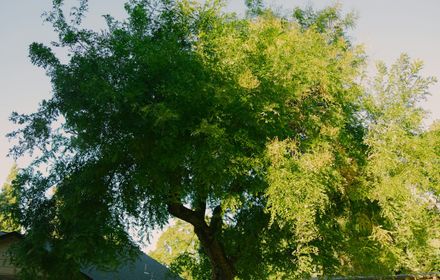
Trees planted beside the 1950s houses are now about 70 years old. Silver maples and box elders from that time grow fast and can start to decline at this age. Dead limbs in the top of the crown are the first sign.
31% of the homes here are from the 1950s, while 11% are from the 1940s. So these are considered postwar, meaning built after World War II. Trees that were planted here are about 70 years old now. As long as the roots of these trees are not messing up any of the driveways or sewer lines, they should be okay. Also look for sidewalks that are lifted or clogged drains; then the tree needs to be addressed by a tree professional.
After storms, trees can be uprooted, but they also can be split at the fork of the tree, which is where the trunk divides in two. When one of these sides tears away from the other side of the trunk, this wound runs down into the rest of the tree, so this tree would need to be removed. If you see this happening on your property after a storm, be sure to ask a tree service what the best steps are for these wounded trees.
For trees alongside a railroad, the railroad company has the right-of-way of the strip of land on both sides of the tracks. The railroad company manages this right-of-way, and crews have to stay off the tracks. If one of their trees has fallen onto your property, you need to contact the railroad company.
We also serve Bristol, IN, east past Elkhart, on the Elkhart River near the Michigan line.
Osceola has a population of about 2,600. Here is what that means for the work we do here.
| Local fact | Detail |
|---|---|
| 1950s houses | 31.1% of the town's 1,038 homes were built in the 1950s, 11.4% in the 1940s. |
| Detached houses | 98.8% of homes are single-family detached, and 82.5% are owner-occupied. |
| St. Joseph River | The town straddles the river, with most of it on the south bank and a railroad through it. |
| Storm, June 2014 | Trees split in half along Apple Road and one uprooted at Harrison and Apple. |
| August 10, 2020 derecho | Trees came down across Osceola in the derecho. |
| County | St. Joseph County, Penn Township; platted in 1837 and named for the Seminole leader. |
Thickets, wild fence rows and wooded lots cleared in Mishawaka, with the property line and buried lines settled before a machine rolls in.
A walk-around inspection of the maple or oak you lie awake over, ranked as prune, cable, watch or remove, plus cables for sound trunks with weak forks.
Trunks and limbs down on roofs, cars, fences and driveways, cleared in whatever sequence the damage calls for, with photos kept for the insurer.
Big trees over roofs, brittle ash and boxed-in back yards taken down in sections by crane around Mishawaka, with the street, the lines and the lawn checked first.
Bare ash, split forks, hollow stems and hanging deadwood, taken down by climber, lift or crane once we know what each one could land on.
Give us the street, what kind of tree it is if you know, and what it stands near: the house, a fence, the lines. Expect a callback with a rough range and the things that could change it.
Yes. A climber ties off each piece and swings it back to the bank before it is cut free. Nothing is dropped in the river. On a bank too soft for a truck, we carry the wood out by hand.
Yes. One heavy limb over a roof or a driveway can come off on its own. We cut it back to the trunk or to a strong side branch, so the tree does not grow weak shoots from a stub.
Most trees that split have two trunks of the same size growing from one fork. Bark trapped in a tight fork keeps the wood from joining. A cable between the two trunks can stop the split if it is caught early.
A walk-behind stump grinder fits through a typical garden gate. If larger equipment is needed, a fence panel can be removed and put back safely. Big trees are carried out in pieces through small garden gates.
Willow trees prefer wet ground, and the roots of the willow tree help hold a bank secure next to water. Its weak wood breaks off easily, so a willow sheds branches in the wind more than most trees.
Trimming a tree on your side of the line is okay. Also, an owner may trim branches that are over their side of the property line, as long as they're not harming the neighbor's tree at all.
Call (574) 227-6183 for the quickest answer, or tell us about the tree here and we will phone you.